Close this alert

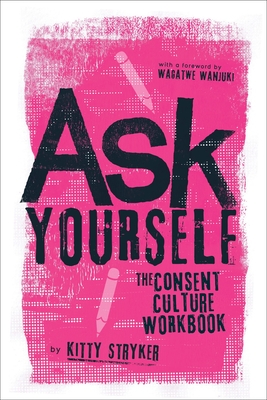
Ask Yourself: The Consent Culture Workbook
Current price:
$19.95
Publish Date:
Publisher:
Thornapple Press
ISBN:
9781778242007
Pages:
16
Language:
English
Stock Information
Petworth Neighborhood -
1 on hand, as of Sep 3 10:14pm
(HELP-)
On Our Shelves Now at our Petworth Location!
Description
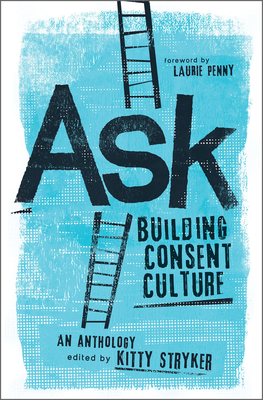
What does “consent culture” mean to you? Navigating the complex, never-ending work of culture change can be overwhelming at times. Whether you’re exploring what consent means in your personal life or as part of your work in the world, Ask Yourself guides you through the introspection necessary for lasting change. In Ask: Building Consent Culture, consent culture activist Kitty Stryker compiled a diverse collection of essays from people working on questions of how to build a culture of consent in our everyday world. This timely and practical companion workbook invites you to take a journey through your own thoughts on consent and consider how you can help build consent culture. Ask Yourself guides you through a structured exploration with prompts for 28 days of journaling, conversations and other work. The prompts are split into four sections on distinct themes that allow you to explore consent at your own pace and in your own way. This thoughtful book also features short contributions from consent culture activists to help inspire reflection.
Praise for Ask Yourself: The Consent Culture Workbook
"This is a f*cking good book!" —Nicole Byer, actor, and host of Netflix’s Nailed It
"An inquisitive guide that directs readers to turn inward to explore and interrogate their personal relationship to consent. I would recommend this workbook to anyone who's ready to dive deeper and build a stronger understanding of what it takes to build and maintain a true culture of consent." —Anne Hodder-Shipp, sex and relationships educator and author of Speaking from the Heart: 18 Languages for Modern Love
"One comes away from this book with a much deeper understanding of the nuanced and evolving idea of consent, a clearer understanding of one’s own place within this landscape and, perhaps most importantly, the tools to be of service to others. This is a vital text.” —Alex Winter, actor, Bill & Ted's Excellent Adventure
"This workbook invites us beyond discussions of rape culture and harm-avoidance—the thought-provoking prompts also explore the nature of how and why we say "yes" to each other on every level, exploring consent as a basis to develop a more equitable and self-acknowledging way to move through the world, and as a radical paradigm for our selves in relation to other people.” —Leigh Alexander, narrative designer and writer of Reigns: Her Majesty
"Whether you're already an advocate looking to further your understanding or new to the concept of consent culture and bettering the power dynamics in your everyday life, the perspectives and tools discussed within are not just worth reading, but worth returning to many times thereafter.” —Matthew Mercer, voice actor and Game Master for Dungeons & Dragons web series Critical Role
"Ask Yourself is a much-needed resource for individuals and groups to collectively think through the complex dynamics that shape how we conduct ourselves in all aspects of life." —Mark Bray, history professor and author of Antifa: The Anti-Fascist Handbook
“These conversations on consent are essential for building healthy dynamics in all of our relationships, not just sexual ones. Ask Yourself offers us a tool towards understanding our ongoing relationship with consent beyond just ‘yes’ and ‘no.’” —Andy Duran, education director, Good Vibrations and Babeland
"This workbook is an essential resource for building a culture that is based on mutual respect, dignity, safety, and pleasure... It's an invaluable resource for making sure we build identities, communities, and a society that is committed to making sure we do.” —Soraya Chemaly, author of Rage Becomes Her: The Power of Women's Anger
“The collection will prove a useful addition to the toolkit for those who are working towards not just towards sexual equality, but equity in all areas of public life.”—Sophia Kaufman, The Michigan Daily
Praise for Ask
“At a time when every conversation seems to be about consent (or lack thereof, rather), it’s a collection that actually adds to the discussion in crucial ways, and would prove enriching even to those who consider themselves pros at discussing sex, consent, and feminism.”—Sarah Burke, Broadly
“In a society where ‘consent’ has become a liberal buzzword, Kitty Stryker and her many interlocutors invite us to ask what ‘consent culture’ might mean in a world of exploitation. Ask Yourself is a much-needed resource for individuals and groups to collectively think through the complex dynamics that shape how we conduct ourselves in all aspects of life. Stryker has no illusions about how difficult that work is, nor any doubt about its urgency if we are to make safer communities today and build a new world tomorrow.”
— Mark Bray
“In a society where ‘consent’ has become a liberal buzzword, Kitty Stryker and her many interlocutors invite us to ask what ‘consent culture’ might mean in a world of exploitation. Ask Yourself is a much-needed resource for individuals and groups to collectively think through the complex dynamics that shape how we conduct ourselves in all aspects of life. Stryker has no illusions about how difficult that work is, nor any doubt about its urgency if we are to make safer communities today and build a new world tomorrow.”
— Mark Bray
“In a society where ‘consent’ has become a liberal buzzword, Kitty Stryker and her many interlocutors invite us to ask what ‘consent culture’ might mean in a world of exploitation. Ask Yourself is a much-needed resource for individuals and groups to collectively think through the complex dynamics that shape how we conduct ourselves in all aspects of life. Stryker has no illusions about how difficult that work is, nor any doubt about its urgency if we are to make safer communities today and build a new world tomorrow.”
— Mark Bray
“In a society where ‘consent’ has become a liberal buzzword, Kitty Stryker and her many interlocutors invite us to ask what ‘consent culture’ might mean in a world of exploitation. Ask Yourself is a much-needed resource for individuals and groups to collectively think through the complex dynamics that shape how we conduct ourselves in all aspects of life. Stryker has no illusions about how difficult that work is, nor any doubt about its urgency if we are to make safer communities today and build a new world tomorrow.”
— Mark Bray
“In a society where ‘consent’ has become a liberal buzzword, Kitty Stryker and her many interlocutors invite us to ask what ‘consent culture’ might mean in a world of exploitation. Ask Yourself is a much-needed resource for individuals and groups to collectively think through the complex dynamics that shape how we conduct ourselves in all aspects of life. Stryker has no illusions about how difficult that work is, nor any doubt about its urgency if we are to make safer communities today and build a new world tomorrow.”
— Mark Bray
“In a society where ‘consent’ has become a liberal buzzword, Kitty Stryker and her many interlocutors invite us to ask what ‘consent culture’ might mean in a world of exploitation. Ask Yourself is a much-needed resource for individuals and groups to collectively think through the complex dynamics that shape how we conduct ourselves in all aspects of life. Stryker has no illusions about how difficult that work is, nor any doubt about its urgency if we are to make safer communities today and build a new world tomorrow.”
— Mark Bray
“In a society where ‘consent’ has become a liberal buzzword, Kitty Stryker and her many interlocutors invite us to ask what ‘consent culture’ might mean in a world of exploitation. Ask Yourself is a much-needed resource for individuals and groups to collectively think through the complex dynamics that shape how we conduct ourselves in all aspects of life. Stryker has no illusions about how difficult that work is, nor any doubt about its urgency if we are to make safer communities today and build a new world tomorrow.”
— Mark Bray
“In a society where ‘consent’ has become a liberal buzzword, Kitty Stryker and her many interlocutors invite us to ask what ‘consent culture’ might mean in a world of exploitation. Ask Yourself is a much-needed resource for individuals and groups to collectively think through the complex dynamics that shape how we conduct ourselves in all aspects of life. Stryker has no illusions about how difficult that work is, nor any doubt about its urgency if we are to make safer communities today and build a new world tomorrow.”
— Mark Bray
“In a society where ‘consent’ has become a liberal buzzword, Kitty Stryker and her many interlocutors invite us to ask what ‘consent culture’ might mean in a world of exploitation. Ask Yourself is a much-needed resource for individuals and groups to collectively think through the complex dynamics that shape how we conduct ourselves in all aspects of life. Stryker has no illusions about how difficult that work is, nor any doubt about its urgency if we are to make safer communities today and build a new world tomorrow.”
— Mark Bray
“In a society where ‘consent’ has become a liberal buzzword, Kitty Stryker and her many interlocutors invite us to ask what ‘consent culture’ might mean in a world of exploitation. Ask Yourself is a much-needed resource for individuals and groups to collectively think through the complex dynamics that shape how we conduct ourselves in all aspects of life. Stryker has no illusions about how difficult that work is, nor any doubt about its urgency if we are to make safer communities today and build a new world tomorrow.”
— Mark Bray
“In a society where ‘consent’ has become a liberal buzzword, Kitty Stryker and her many interlocutors invite us to ask what ‘consent culture’ might mean in a world of exploitation. Ask Yourself is a much-needed resource for individuals and groups to collectively think through the complex dynamics that shape how we conduct ourselves in all aspects of life. Stryker has no illusions about how difficult that work is, nor any doubt about its urgency if we are to make safer communities today and build a new world tomorrow.”
— Mark Bray
“In a society where ‘consent’ has become a liberal buzzword, Kitty Stryker and her many interlocutors invite us to ask what ‘consent culture’ might mean in a world of exploitation. Ask Yourself is a much-needed resource for individuals and groups to collectively think through the complex dynamics that shape how we conduct ourselves in all aspects of life. Stryker has no illusions about how difficult that work is, nor any doubt about its urgency if we are to make safer communities today and build a new world tomorrow.”
— Mark Bray
“In a society where ‘consent’ has become a liberal buzzword, Kitty Stryker and her many interlocutors invite us to ask what ‘consent culture’ might mean in a world of exploitation. Ask Yourself is a much-needed resource for individuals and groups to collectively think through the complex dynamics that shape how we conduct ourselves in all aspects of life. Stryker has no illusions about how difficult that work is, nor any doubt about its urgency if we are to make safer communities today and build a new world tomorrow.”
— Mark Bray
“In a society where ‘consent’ has become a liberal buzzword, Kitty Stryker and her many interlocutors invite us to ask what ‘consent culture’ might mean in a world of exploitation. Ask Yourself is a much-needed resource for individuals and groups to collectively think through the complex dynamics that shape how we conduct ourselves in all aspects of life. Stryker has no illusions about how difficult that work is, nor any doubt about its urgency if we are to make safer communities today and build a new world tomorrow.”
— Mark Bray
“I fully believe in the importance of mindful consent in your life and relationships, and this collection really does a wonderful job of showing many different perspectives and methods to incorporate these necessary thoughts and guiding principles into one's own life. Whether you're already an advocate looking to further your understanding or new to the concept of consent culture and bettering the power dynamics in your everyday life, the perspectives and tools discussed within are not just worth reading, but worth returning to many times thereafter.”
— Matthew Mercer
“I fully believe in the importance of mindful consent in your life and relationships, and this collection really does a wonderful job of showing many different perspectives and methods to incorporate these necessary thoughts and guiding principles into one's own life. Whether you're already an advocate looking to further your understanding or new to the concept of consent culture and bettering the power dynamics in your everyday life, the perspectives and tools discussed within are not just worth reading, but worth returning to many times thereafter.”
— Matthew Mercer
“I fully believe in the importance of mindful consent in your life and relationships, and this collection really does a wonderful job of showing many different perspectives and methods to incorporate these necessary thoughts and guiding principles into one's own life. Whether you're already an advocate looking to further your understanding or new to the concept of consent culture and bettering the power dynamics in your everyday life, the perspectives and tools discussed within are not just worth reading, but worth returning to many times thereafter.”
— Matthew Mercer
“I fully believe in the importance of mindful consent in your life and relationships, and this collection really does a wonderful job of showing many different perspectives and methods to incorporate these necessary thoughts and guiding principles into one's own life. Whether you're already an advocate looking to further your understanding or new to the concept of consent culture and bettering the power dynamics in your everyday life, the perspectives and tools discussed within are not just worth reading, but worth returning to many times thereafter.”
— Matthew Mercer
“I fully believe in the importance of mindful consent in your life and relationships, and this collection really does a wonderful job of showing many different perspectives and methods to incorporate these necessary thoughts and guiding principles into one's own life. Whether you're already an advocate looking to further your understanding or new to the concept of consent culture and bettering the power dynamics in your everyday life, the perspectives and tools discussed within are not just worth reading, but worth returning to many times thereafter.”
— Matthew Mercer
“I fully believe in the importance of mindful consent in your life and relationships, and this collection really does a wonderful job of showing many different perspectives and methods to incorporate these necessary thoughts and guiding principles into one's own life. Whether you're already an advocate looking to further your understanding or new to the concept of consent culture and bettering the power dynamics in your everyday life, the perspectives and tools discussed within are not just worth reading, but worth returning to many times thereafter.”
— Matthew Mercer
“I fully believe in the importance of mindful consent in your life and relationships, and this collection really does a wonderful job of showing many different perspectives and methods to incorporate these necessary thoughts and guiding principles into one's own life. Whether you're already an advocate looking to further your understanding or new to the concept of consent culture and bettering the power dynamics in your everyday life, the perspectives and tools discussed within are not just worth reading, but worth returning to many times thereafter.”
— Matthew Mercer
“I fully believe in the importance of mindful consent in your life and relationships, and this collection really does a wonderful job of showing many different perspectives and methods to incorporate these necessary thoughts and guiding principles into one's own life. Whether you're already an advocate looking to further your understanding or new to the concept of consent culture and bettering the power dynamics in your everyday life, the perspectives and tools discussed within are not just worth reading, but worth returning to many times thereafter.”
— Matthew Mercer
“I fully believe in the importance of mindful consent in your life and relationships, and this collection really does a wonderful job of showing many different perspectives and methods to incorporate these necessary thoughts and guiding principles into one's own life. Whether you're already an advocate looking to further your understanding or new to the concept of consent culture and bettering the power dynamics in your everyday life, the perspectives and tools discussed within are not just worth reading, but worth returning to many times thereafter.”
— Matthew Mercer
“I fully believe in the importance of mindful consent in your life and relationships, and this collection really does a wonderful job of showing many different perspectives and methods to incorporate these necessary thoughts and guiding principles into one's own life. Whether you're already an advocate looking to further your understanding or new to the concept of consent culture and bettering the power dynamics in your everyday life, the perspectives and tools discussed within are not just worth reading, but worth returning to many times thereafter.”
— Matthew Mercer
“I fully believe in the importance of mindful consent in your life and relationships, and this collection really does a wonderful job of showing many different perspectives and methods to incorporate these necessary thoughts and guiding principles into one's own life. Whether you're already an advocate looking to further your understanding or new to the concept of consent culture and bettering the power dynamics in your everyday life, the perspectives and tools discussed within are not just worth reading, but worth returning to many times thereafter.”
— Matthew Mercer
“I fully believe in the importance of mindful consent in your life and relationships, and this collection really does a wonderful job of showing many different perspectives and methods to incorporate these necessary thoughts and guiding principles into one's own life. Whether you're already an advocate looking to further your understanding or new to the concept of consent culture and bettering the power dynamics in your everyday life, the perspectives and tools discussed within are not just worth reading, but worth returning to many times thereafter.”
— Matthew Mercer
“I fully believe in the importance of mindful consent in your life and relationships, and this collection really does a wonderful job of showing many different perspectives and methods to incorporate these necessary thoughts and guiding principles into one's own life. Whether you're already an advocate looking to further your understanding or new to the concept of consent culture and bettering the power dynamics in your everyday life, the perspectives and tools discussed within are not just worth reading, but worth returning to many times thereafter.”
— Matthew Mercer
“I fully believe in the importance of mindful consent in your life and relationships, and this collection really does a wonderful job of showing many different perspectives and methods to incorporate these necessary thoughts and guiding principles into one's own life. Whether you're already an advocate looking to further your understanding or new to the concept of consent culture and bettering the power dynamics in your everyday life, the perspectives and tools discussed within are not just worth reading, but worth returning to many times thereafter.”
— Matthew Mercer
“When Kitty Stryker tugs on the thread of ‘consent,’ vast, oppressive power structures start to unravel. This workbook gets down to the fundamental principles of how humans need to treat one another. Taking its own metholology to heart, it offers no authoritative answers, just smart, emotionally astute questions that could upend how you think about the problem of other people.”
— Alison Bechdel
“When Kitty Stryker tugs on the thread of ‘consent,’ vast, oppressive power structures start to unravel. This workbook gets down to the fundamental principles of how humans need to treat one another. Taking its own metholology to heart, it offers no authoritative answers, just smart, emotionally astute questions that could upend how you think about the problem of other people.”
— Alison Bechdel
“When Kitty Stryker tugs on the thread of ‘consent,’ vast, oppressive power structures start to unravel. This workbook gets down to the fundamental principles of how humans need to treat one another. Taking its own metholology to heart, it offers no authoritative answers, just smart, emotionally astute questions that could upend how you think about the problem of other people.”
— Alison Bechdel
“When Kitty Stryker tugs on the thread of ‘consent,’ vast, oppressive power structures start to unravel. This workbook gets down to the fundamental principles of how humans need to treat one another. Taking its own metholology to heart, it offers no authoritative answers, just smart, emotionally astute questions that could upend how you think about the problem of other people.”
— Alison Bechdel
“When Kitty Stryker tugs on the thread of ‘consent,’ vast, oppressive power structures start to unravel. This workbook gets down to the fundamental principles of how humans need to treat one another. Taking its own metholology to heart, it offers no authoritative answers, just smart, emotionally astute questions that could upend how you think about the problem of other people.”
— Alison Bechdel
“When Kitty Stryker tugs on the thread of ‘consent,’ vast, oppressive power structures start to unravel. This workbook gets down to the fundamental principles of how humans need to treat one another. Taking its own metholology to heart, it offers no authoritative answers, just smart, emotionally astute questions that could upend how you think about the problem of other people.”
— Alison Bechdel
“When Kitty Stryker tugs on the thread of ‘consent,’ vast, oppressive power structures start to unravel. This workbook gets down to the fundamental principles of how humans need to treat one another. Taking its own metholology to heart, it offers no authoritative answers, just smart, emotionally astute questions that could upend how you think about the problem of other people.”
— Alison Bechdel
“When Kitty Stryker tugs on the thread of ‘consent,’ vast, oppressive power structures start to unravel. This workbook gets down to the fundamental principles of how humans need to treat one another. Taking its own metholology to heart, it offers no authoritative answers, just smart, emotionally astute questions that could upend how you think about the problem of other people.”
— Alison Bechdel
“When Kitty Stryker tugs on the thread of ‘consent,’ vast, oppressive power structures start to unravel. This workbook gets down to the fundamental principles of how humans need to treat one another. Taking its own metholology to heart, it offers no authoritative answers, just smart, emotionally astute questions that could upend how you think about the problem of other people.”
— Alison Bechdel
“When Kitty Stryker tugs on the thread of ‘consent,’ vast, oppressive power structures start to unravel. This workbook gets down to the fundamental principles of how humans need to treat one another. Taking its own metholology to heart, it offers no authoritative answers, just smart, emotionally astute questions that could upend how you think about the problem of other people.”
— Alison Bechdel
“When Kitty Stryker tugs on the thread of ‘consent,’ vast, oppressive power structures start to unravel. This workbook gets down to the fundamental principles of how humans need to treat one another. Taking its own metholology to heart, it offers no authoritative answers, just smart, emotionally astute questions that could upend how you think about the problem of other people.”
— Alison Bechdel
“When Kitty Stryker tugs on the thread of ‘consent,’ vast, oppressive power structures start to unravel. This workbook gets down to the fundamental principles of how humans need to treat one another. Taking its own metholology to heart, it offers no authoritative answers, just smart, emotionally astute questions that could upend how you think about the problem of other people.”
— Alison Bechdel
“When Kitty Stryker tugs on the thread of ‘consent,’ vast, oppressive power structures start to unravel. This workbook gets down to the fundamental principles of how humans need to treat one another. Taking its own metholology to heart, it offers no authoritative answers, just smart, emotionally astute questions that could upend how you think about the problem of other people.”
— Alison Bechdel
“When Kitty Stryker tugs on the thread of ‘consent,’ vast, oppressive power structures start to unravel. This workbook gets down to the fundamental principles of how humans need to treat one another. Taking its own metholology to heart, it offers no authoritative answers, just smart, emotionally astute questions that could upend how you think about the problem of other people.”
— Alison Bechdel
“I've always felt that if societies are ever to address problems of structural violence, we have to understand the dynamics of intimate violence. But this workbook invites us beyond discussions of rape culture and harm-avoidance—the thought-provoking prompts also explore the nature of how and why we say 'yes' to each other on every level, exploring consent as a basis to develop a more equitable and self-acknowledging way to move through the world, and as a radical paradigm for our selves in relation to other people.”
— Leigh Alexander
“I've always felt that if societies are ever to address problems of structural violence, we have to understand the dynamics of intimate violence. But this workbook invites us beyond discussions of rape culture and harm-avoidance—the thought-provoking prompts also explore the nature of how and why we say 'yes' to each other on every level, exploring consent as a basis to develop a more equitable and self-acknowledging way to move through the world, and as a radical paradigm for our selves in relation to other people.”
— Leigh Alexander
“I've always felt that if societies are ever to address problems of structural violence, we have to understand the dynamics of intimate violence. But this workbook invites us beyond discussions of rape culture and harm-avoidance—the thought-provoking prompts also explore the nature of how and why we say 'yes' to each other on every level, exploring consent as a basis to develop a more equitable and self-acknowledging way to move through the world, and as a radical paradigm for our selves in relation to other people.”
— Leigh Alexander
“I've always felt that if societies are ever to address problems of structural violence, we have to understand the dynamics of intimate violence. But this workbook invites us beyond discussions of rape culture and harm-avoidance—the thought-provoking prompts also explore the nature of how and why we say 'yes' to each other on every level, exploring consent as a basis to develop a more equitable and self-acknowledging way to move through the world, and as a radical paradigm for our selves in relation to other people.”
— Leigh Alexander
“I've always felt that if societies are ever to address problems of structural violence, we have to understand the dynamics of intimate violence. But this workbook invites us beyond discussions of rape culture and harm-avoidance—the thought-provoking prompts also explore the nature of how and why we say 'yes' to each other on every level, exploring consent as a basis to develop a more equitable and self-acknowledging way to move through the world, and as a radical paradigm for our selves in relation to other people.”
— Leigh Alexander
“I've always felt that if societies are ever to address problems of structural violence, we have to understand the dynamics of intimate violence. But this workbook invites us beyond discussions of rape culture and harm-avoidance—the thought-provoking prompts also explore the nature of how and why we say 'yes' to each other on every level, exploring consent as a basis to develop a more equitable and self-acknowledging way to move through the world, and as a radical paradigm for our selves in relation to other people.”
— Leigh Alexander
“I've always felt that if societies are ever to address problems of structural violence, we have to understand the dynamics of intimate violence. But this workbook invites us beyond discussions of rape culture and harm-avoidance—the thought-provoking prompts also explore the nature of how and why we say 'yes' to each other on every level, exploring consent as a basis to develop a more equitable and self-acknowledging way to move through the world, and as a radical paradigm for our selves in relation to other people.”
— Leigh Alexander
“I've always felt that if societies are ever to address problems of structural violence, we have to understand the dynamics of intimate violence. But this workbook invites us beyond discussions of rape culture and harm-avoidance—the thought-provoking prompts also explore the nature of how and why we say 'yes' to each other on every level, exploring consent as a basis to develop a more equitable and self-acknowledging way to move through the world, and as a radical paradigm for our selves in relation to other people.”
— Leigh Alexander
“I've always felt that if societies are ever to address problems of structural violence, we have to understand the dynamics of intimate violence. But this workbook invites us beyond discussions of rape culture and harm-avoidance—the thought-provoking prompts also explore the nature of how and why we say 'yes' to each other on every level, exploring consent as a basis to develop a more equitable and self-acknowledging way to move through the world, and as a radical paradigm for our selves in relation to other people.”
— Leigh Alexander
“I've always felt that if societies are ever to address problems of structural violence, we have to understand the dynamics of intimate violence. But this workbook invites us beyond discussions of rape culture and harm-avoidance—the thought-provoking prompts also explore the nature of how and why we say 'yes' to each other on every level, exploring consent as a basis to develop a more equitable and self-acknowledging way to move through the world, and as a radical paradigm for our selves in relation to other people.”
— Leigh Alexander
“I've always felt that if societies are ever to address problems of structural violence, we have to understand the dynamics of intimate violence. But this workbook invites us beyond discussions of rape culture and harm-avoidance—the thought-provoking prompts also explore the nature of how and why we say 'yes' to each other on every level, exploring consent as a basis to develop a more equitable and self-acknowledging way to move through the world, and as a radical paradigm for our selves in relation to other people.”
— Leigh Alexander
“I've always felt that if societies are ever to address problems of structural violence, we have to understand the dynamics of intimate violence. But this workbook invites us beyond discussions of rape culture and harm-avoidance—the thought-provoking prompts also explore the nature of how and why we say 'yes' to each other on every level, exploring consent as a basis to develop a more equitable and self-acknowledging way to move through the world, and as a radical paradigm for our selves in relation to other people.”
— Leigh Alexander
“I've always felt that if societies are ever to address problems of structural violence, we have to understand the dynamics of intimate violence. But this workbook invites us beyond discussions of rape culture and harm-avoidance—the thought-provoking prompts also explore the nature of how and why we say 'yes' to each other on every level, exploring consent as a basis to develop a more equitable and self-acknowledging way to move through the world, and as a radical paradigm for our selves in relation to other people.”
— Leigh Alexander
“I've always felt that if societies are ever to address problems of structural violence, we have to understand the dynamics of intimate violence. But this workbook invites us beyond discussions of rape culture and harm-avoidance—the thought-provoking prompts also explore the nature of how and why we say 'yes' to each other on every level, exploring consent as a basis to develop a more equitable and self-acknowledging way to move through the world, and as a radical paradigm for our selves in relation to other people.”
— Leigh Alexander
“As a survivor of childhood sexual abuse, I have spent the greater part of my life in the rigorous work of trauma recovery that is both continuous and necessary for people like us to lead relatively serene and functioning adult lives. I’m very grateful for the work of serious activist-educators like Stryker, and her new book is exactly what’s needed in this moment. It’s a practical workbook that takes the reader, step by step, from the inside out, into a thorough awareness of their own personal definition, need and application of consent. If that sounds heavy, it is—as it should be. It’s also profound, lovely, timely, universal, and highly actionable. One comes away from this book with a much deeper understanding of the nuanced and evolving idea of consent, a clearer understanding of one’s own place within this landscape and, perhaps most importantly, the tools to be of service to others. This is a vital text.”
— Alex Winter
“As a survivor of childhood sexual abuse, I have spent the greater part of my life in the rigorous work of trauma recovery that is both continuous and necessary for people like us to lead relatively serene and functioning adult lives. I’m very grateful for the work of serious activist-educators like Stryker, and her new book is exactly what’s needed in this moment. It’s a practical workbook that takes the reader, step by step, from the inside out, into a thorough awareness of their own personal definition, need and application of consent. If that sounds heavy, it is—as it should be. It’s also profound, lovely, timely, universal, and highly actionable. One comes away from this book with a much deeper understanding of the nuanced and evolving idea of consent, a clearer understanding of one’s own place within this landscape and, perhaps most importantly, the tools to be of service to others. This is a vital text.”
— Alex Winter
“As a survivor of childhood sexual abuse, I have spent the greater part of my life in the rigorous work of trauma recovery that is both continuous and necessary for people like us to lead relatively serene and functioning adult lives. I’m very grateful for the work of serious activist-educators like Stryker, and her new book is exactly what’s needed in this moment. It’s a practical workbook that takes the reader, step by step, from the inside out, into a thorough awareness of their own personal definition, need and application of consent. If that sounds heavy, it is—as it should be. It’s also profound, lovely, timely, universal, and highly actionable. One comes away from this book with a much deeper understanding of the nuanced and evolving idea of consent, a clearer understanding of one’s own place within this landscape and, perhaps most importantly, the tools to be of service to others. This is a vital text.”
— Alex Winter
“As a survivor of childhood sexual abuse, I have spent the greater part of my life in the rigorous work of trauma recovery that is both continuous and necessary for people like us to lead relatively serene and functioning adult lives. I’m very grateful for the work of serious activist-educators like Stryker, and her new book is exactly what’s needed in this moment. It’s a practical workbook that takes the reader, step by step, from the inside out, into a thorough awareness of their own personal definition, need and application of consent. If that sounds heavy, it is—as it should be. It’s also profound, lovely, timely, universal, and highly actionable. One comes away from this book with a much deeper understanding of the nuanced and evolving idea of consent, a clearer understanding of one’s own place within this landscape and, perhaps most importantly, the tools to be of service to others. This is a vital text.”
— Alex Winter
“As a survivor of childhood sexual abuse, I have spent the greater part of my life in the rigorous work of trauma recovery that is both continuous and necessary for people like us to lead relatively serene and functioning adult lives. I’m very grateful for the work of serious activist-educators like Stryker, and her new book is exactly what’s needed in this moment. It’s a practical workbook that takes the reader, step by step, from the inside out, into a thorough awareness of their own personal definition, need and application of consent. If that sounds heavy, it is—as it should be. It’s also profound, lovely, timely, universal, and highly actionable. One comes away from this book with a much deeper understanding of the nuanced and evolving idea of consent, a clearer understanding of one’s own place within this landscape and, perhaps most importantly, the tools to be of service to others. This is a vital text.”
— Alex Winter
“As a survivor of childhood sexual abuse, I have spent the greater part of my life in the rigorous work of trauma recovery that is both continuous and necessary for people like us to lead relatively serene and functioning adult lives. I’m very grateful for the work of serious activist-educators like Stryker, and her new book is exactly what’s needed in this moment. It’s a practical workbook that takes the reader, step by step, from the inside out, into a thorough awareness of their own personal definition, need and application of consent. If that sounds heavy, it is—as it should be. It’s also profound, lovely, timely, universal, and highly actionable. One comes away from this book with a much deeper understanding of the nuanced and evolving idea of consent, a clearer understanding of one’s own place within this landscape and, perhaps most importantly, the tools to be of service to others. This is a vital text.”
— Alex Winter
“As a survivor of childhood sexual abuse, I have spent the greater part of my life in the rigorous work of trauma recovery that is both continuous and necessary for people like us to lead relatively serene and functioning adult lives. I’m very grateful for the work of serious activist-educators like Stryker, and her new book is exactly what’s needed in this moment. It’s a practical workbook that takes the reader, step by step, from the inside out, into a thorough awareness of their own personal definition, need and application of consent. If that sounds heavy, it is—as it should be. It’s also profound, lovely, timely, universal, and highly actionable. One comes away from this book with a much deeper understanding of the nuanced and evolving idea of consent, a clearer understanding of one’s own place within this landscape and, perhaps most importantly, the tools to be of service to others. This is a vital text.”
— Alex Winter
“As a survivor of childhood sexual abuse, I have spent the greater part of my life in the rigorous work of trauma recovery that is both continuous and necessary for people like us to lead relatively serene and functioning adult lives. I’m very grateful for the work of serious activist-educators like Stryker, and her new book is exactly what’s needed in this moment. It’s a practical workbook that takes the reader, step by step, from the inside out, into a thorough awareness of their own personal definition, need and application of consent. If that sounds heavy, it is—as it should be. It’s also profound, lovely, timely, universal, and highly actionable. One comes away from this book with a much deeper understanding of the nuanced and evolving idea of consent, a clearer understanding of one’s own place within this landscape and, perhaps most importantly, the tools to be of service to others. This is a vital text.”
— Alex Winter
“As a survivor of childhood sexual abuse, I have spent the greater part of my life in the rigorous work of trauma recovery that is both continuous and necessary for people like us to lead relatively serene and functioning adult lives. I’m very grateful for the work of serious activist-educators like Stryker, and her new book is exactly what’s needed in this moment. It’s a practical workbook that takes the reader, step by step, from the inside out, into a thorough awareness of their own personal definition, need and application of consent. If that sounds heavy, it is—as it should be. It’s also profound, lovely, timely, universal, and highly actionable. One comes away from this book with a much deeper understanding of the nuanced and evolving idea of consent, a clearer understanding of one’s own place within this landscape and, perhaps most importantly, the tools to be of service to others. This is a vital text.”
— Alex Winter
“As a survivor of childhood sexual abuse, I have spent the greater part of my life in the rigorous work of trauma recovery that is both continuous and necessary for people like us to lead relatively serene and functioning adult lives. I’m very grateful for the work of serious activist-educators like Stryker, and her new book is exactly what’s needed in this moment. It’s a practical workbook that takes the reader, step by step, from the inside out, into a thorough awareness of their own personal definition, need and application of consent. If that sounds heavy, it is—as it should be. It’s also profound, lovely, timely, universal, and highly actionable. One comes away from this book with a much deeper understanding of the nuanced and evolving idea of consent, a clearer understanding of one’s own place within this landscape and, perhaps most importantly, the tools to be of service to others. This is a vital text.”
— Alex Winter
“As a survivor of childhood sexual abuse, I have spent the greater part of my life in the rigorous work of trauma recovery that is both continuous and necessary for people like us to lead relatively serene and functioning adult lives. I’m very grateful for the work of serious activist-educators like Stryker, and her new book is exactly what’s needed in this moment. It’s a practical workbook that takes the reader, step by step, from the inside out, into a thorough awareness of their own personal definition, need and application of consent. If that sounds heavy, it is—as it should be. It’s also profound, lovely, timely, universal, and highly actionable. One comes away from this book with a much deeper understanding of the nuanced and evolving idea of consent, a clearer understanding of one’s own place within this landscape and, perhaps most importantly, the tools to be of service to others. This is a vital text.”
— Alex Winter
“As a survivor of childhood sexual abuse, I have spent the greater part of my life in the rigorous work of trauma recovery that is both continuous and necessary for people like us to lead relatively serene and functioning adult lives. I’m very grateful for the work of serious activist-educators like Stryker, and her new book is exactly what’s needed in this moment. It’s a practical workbook that takes the reader, step by step, from the inside out, into a thorough awareness of their own personal definition, need and application of consent. If that sounds heavy, it is—as it should be. It’s also profound, lovely, timely, universal, and highly actionable. One comes away from this book with a much deeper understanding of the nuanced and evolving idea of consent, a clearer understanding of one’s own place within this landscape and, perhaps most importantly, the tools to be of service to others. This is a vital text.”
— Alex Winter
“As a survivor of childhood sexual abuse, I have spent the greater part of my life in the rigorous work of trauma recovery that is both continuous and necessary for people like us to lead relatively serene and functioning adult lives. I’m very grateful for the work of serious activist-educators like Stryker, and her new book is exactly what’s needed in this moment. It’s a practical workbook that takes the reader, step by step, from the inside out, into a thorough awareness of their own personal definition, need and application of consent. If that sounds heavy, it is—as it should be. It’s also profound, lovely, timely, universal, and highly actionable. One comes away from this book with a much deeper understanding of the nuanced and evolving idea of consent, a clearer understanding of one’s own place within this landscape and, perhaps most importantly, the tools to be of service to others. This is a vital text.”
— Alex Winter
“As a survivor of childhood sexual abuse, I have spent the greater part of my life in the rigorous work of trauma recovery that is both continuous and necessary for people like us to lead relatively serene and functioning adult lives. I’m very grateful for the work of serious activist-educators like Stryker, and her new book is exactly what’s needed in this moment. It’s a practical workbook that takes the reader, step by step, from the inside out, into a thorough awareness of their own personal definition, need and application of consent. If that sounds heavy, it is—as it should be. It’s also profound, lovely, timely, universal, and highly actionable. One comes away from this book with a much deeper understanding of the nuanced and evolving idea of consent, a clearer understanding of one’s own place within this landscape and, perhaps most importantly, the tools to be of service to others. This is a vital text.”
— Alex Winter
“Kitty Stryker strikes again with a powerful, vulnerable, and practical resource on preventing and healing sexual violence. This time, Stryker offers a workbook full of exercises, making sexual violence prevention education accessible and (literally) something readers can carry with them. Whether you're looking for help setting and hearing interpersonal boundaries, exploring and communicating your sexual desires, or understanding the nuance of consent, Ask Yourself provides honest, trauma-informed information and practices to build up our toolboxes as safer, happier, more authentic sexual beings.”
— Dr. Melissa A. Fabello
“Kitty Stryker strikes again with a powerful, vulnerable, and practical resource on preventing and healing sexual violence. This time, Stryker offers a workbook full of exercises, making sexual violence prevention education accessible and (literally) something readers can carry with them. Whether you're looking for help setting and hearing interpersonal boundaries, exploring and communicating your sexual desires, or understanding the nuance of consent, Ask Yourself provides honest, trauma-informed information and practices to build up our toolboxes as safer, happier, more authentic sexual beings.”
— Dr. Melissa A. Fabello
“Kitty Stryker strikes again with a powerful, vulnerable, and practical resource on preventing and healing sexual violence. This time, Stryker offers a workbook full of exercises, making sexual violence prevention education accessible and (literally) something readers can carry with them. Whether you're looking for help setting and hearing interpersonal boundaries, exploring and communicating your sexual desires, or understanding the nuance of consent, Ask Yourself provides honest, trauma-informed information and practices to build up our toolboxes as safer, happier, more authentic sexual beings.”
— Dr. Melissa A. Fabello
“Kitty Stryker strikes again with a powerful, vulnerable, and practical resource on preventing and healing sexual violence. This time, Stryker offers a workbook full of exercises, making sexual violence prevention education accessible and (literally) something readers can carry with them. Whether you're looking for help setting and hearing interpersonal boundaries, exploring and communicating your sexual desires, or understanding the nuance of consent, Ask Yourself provides honest, trauma-informed information and practices to build up our toolboxes as safer, happier, more authentic sexual beings.”
— Dr. Melissa A. Fabello
“Kitty Stryker strikes again with a powerful, vulnerable, and practical resource on preventing and healing sexual violence. This time, Stryker offers a workbook full of exercises, making sexual violence prevention education accessible and (literally) something readers can carry with them. Whether you're looking for help setting and hearing interpersonal boundaries, exploring and communicating your sexual desires, or understanding the nuance of consent, Ask Yourself provides honest, trauma-informed information and practices to build up our toolboxes as safer, happier, more authentic sexual beings.”
— Dr. Melissa A. Fabello
“Kitty Stryker strikes again with a powerful, vulnerable, and practical resource on preventing and healing sexual violence. This time, Stryker offers a workbook full of exercises, making sexual violence prevention education accessible and (literally) something readers can carry with them. Whether you're looking for help setting and hearing interpersonal boundaries, exploring and communicating your sexual desires, or understanding the nuance of consent, Ask Yourself provides honest, trauma-informed information and practices to build up our toolboxes as safer, happier, more authentic sexual beings.”
— Dr. Melissa A. Fabello
“Kitty Stryker strikes again with a powerful, vulnerable, and practical resource on preventing and healing sexual violence. This time, Stryker offers a workbook full of exercises, making sexual violence prevention education accessible and (literally) something readers can carry with them. Whether you're looking for help setting and hearing interpersonal boundaries, exploring and communicating your sexual desires, or understanding the nuance of consent, Ask Yourself provides honest, trauma-informed information and practices to build up our toolboxes as safer, happier, more authentic sexual beings.”
— Dr. Melissa A. Fabello
“Kitty Stryker strikes again with a powerful, vulnerable, and practical resource on preventing and healing sexual violence. This time, Stryker offers a workbook full of exercises, making sexual violence prevention education accessible and (literally) something readers can carry with them. Whether you're looking for help setting and hearing interpersonal boundaries, exploring and communicating your sexual desires, or understanding the nuance of consent, Ask Yourself provides honest, trauma-informed information and practices to build up our toolboxes as safer, happier, more authentic sexual beings.”
— Dr. Melissa A. Fabello
“Kitty Stryker strikes again with a powerful, vulnerable, and practical resource on preventing and healing sexual violence. This time, Stryker offers a workbook full of exercises, making sexual violence prevention education accessible and (literally) something readers can carry with them. Whether you're looking for help setting and hearing interpersonal boundaries, exploring and communicating your sexual desires, or understanding the nuance of consent, Ask Yourself provides honest, trauma-informed information and practices to build up our toolboxes as safer, happier, more authentic sexual beings.”
— Dr. Melissa A. Fabello
“Kitty Stryker strikes again with a powerful, vulnerable, and practical resource on preventing and healing sexual violence. This time, Stryker offers a workbook full of exercises, making sexual violence prevention education accessible and (literally) something readers can carry with them. Whether you're looking for help setting and hearing interpersonal boundaries, exploring and communicating your sexual desires, or understanding the nuance of consent, Ask Yourself provides honest, trauma-informed information and practices to build up our toolboxes as safer, happier, more authentic sexual beings.”
— Dr. Melissa A. Fabello
“Kitty Stryker strikes again with a powerful, vulnerable, and practical resource on preventing and healing sexual violence. This time, Stryker offers a workbook full of exercises, making sexual violence prevention education accessible and (literally) something readers can carry with them. Whether you're looking for help setting and hearing interpersonal boundaries, exploring and communicating your sexual desires, or understanding the nuance of consent, Ask Yourself provides honest, trauma-informed information and practices to build up our toolboxes as safer, happier, more authentic sexual beings.”
— Dr. Melissa A. Fabello
“Kitty Stryker strikes again with a powerful, vulnerable, and practical resource on preventing and healing sexual violence. This time, Stryker offers a workbook full of exercises, making sexual violence prevention education accessible and (literally) something readers can carry with them. Whether you're looking for help setting and hearing interpersonal boundaries, exploring and communicating your sexual desires, or understanding the nuance of consent, Ask Yourself provides honest, trauma-informed information and practices to build up our toolboxes as safer, happier, more authentic sexual beings.”
— Dr. Melissa A. Fabello
“Kitty Stryker strikes again with a powerful, vulnerable, and practical resource on preventing and healing sexual violence. This time, Stryker offers a workbook full of exercises, making sexual violence prevention education accessible and (literally) something readers can carry with them. Whether you're looking for help setting and hearing interpersonal boundaries, exploring and communicating your sexual desires, or understanding the nuance of consent, Ask Yourself provides honest, trauma-informed information and practices to build up our toolboxes as safer, happier, more authentic sexual beings.”
— Dr. Melissa A. Fabello
“Kitty Stryker strikes again with a powerful, vulnerable, and practical resource on preventing and healing sexual violence. This time, Stryker offers a workbook full of exercises, making sexual violence prevention education accessible and (literally) something readers can carry with them. Whether you're looking for help setting and hearing interpersonal boundaries, exploring and communicating your sexual desires, or understanding the nuance of consent, Ask Yourself provides honest, trauma-informed information and practices to build up our toolboxes as safer, happier, more authentic sexual beings.”
— Dr. Melissa A. Fabello
“Ask Yourself: The Consent Culture Workbook is an inquisitive guide that directs readers to turn inward to explore and interrogate their personal relationship to consent. A complement to Kitty Stryker's first book, Ask: Building Consent Culture, it combines candid commentary from experts in the field with journal prompts designed to make the learning and unlearning process feel contained and supported. I would recommend this workbook to anyone who's ready to dive deeper and build a stronger understanding of what it takes to build and maintain a true culture of consent.”
— Anne Hodder-Shipp
“Ask Yourself: The Consent Culture Workbook is an inquisitive guide that directs readers to turn inward to explore and interrogate their personal relationship to consent. A complement to Kitty Stryker's first book, Ask: Building Consent Culture, it combines candid commentary from experts in the field with journal prompts designed to make the learning and unlearning process feel contained and supported. I would recommend this workbook to anyone who's ready to dive deeper and build a stronger understanding of what it takes to build and maintain a true culture of consent.”
— Anne Hodder-Shipp
“Ask Yourself: The Consent Culture Workbook is an inquisitive guide that directs readers to turn inward to explore and interrogate their personal relationship to consent. A complement to Kitty Stryker's first book, Ask: Building Consent Culture, it combines candid commentary from experts in the field with journal prompts designed to make the learning and unlearning process feel contained and supported. I would recommend this workbook to anyone who's ready to dive deeper and build a stronger understanding of what it takes to build and maintain a true culture of consent.”
— Anne Hodder-Shipp
“Ask Yourself: The Consent Culture Workbook is an inquisitive guide that directs readers to turn inward to explore and interrogate their personal relationship to consent. A complement to Kitty Stryker's first book, Ask: Building Consent Culture, it combines candid commentary from experts in the field with journal prompts designed to make the learning and unlearning process feel contained and supported. I would recommend this workbook to anyone who's ready to dive deeper and build a stronger understanding of what it takes to build and maintain a true culture of consent.”
— Anne Hodder-Shipp
“Ask Yourself: The Consent Culture Workbook is an inquisitive guide that directs readers to turn inward to explore and interrogate their personal relationship to consent. A complement to Kitty Stryker's first book, Ask: Building Consent Culture, it combines candid commentary from experts in the field with journal prompts designed to make the learning and unlearning process feel contained and supported. I would recommend this workbook to anyone who's ready to dive deeper and build a stronger understanding of what it takes to build and maintain a true culture of consent.”
— Anne Hodder-Shipp
“Ask Yourself: The Consent Culture Workbook is an inquisitive guide that directs readers to turn inward to explore and interrogate their personal relationship to consent. A complement to Kitty Stryker's first book, Ask: Building Consent Culture, it combines candid commentary from experts in the field with journal prompts designed to make the learning and unlearning process feel contained and supported. I would recommend this workbook to anyone who's ready to dive deeper and build a stronger understanding of what it takes to build and maintain a true culture of consent.”
— Anne Hodder-Shipp
“Ask Yourself: The Consent Culture Workbook is an inquisitive guide that directs readers to turn inward to explore and interrogate their personal relationship to consent. A complement to Kitty Stryker's first book, Ask: Building Consent Culture, it combines candid commentary from experts in the field with journal prompts designed to make the learning and unlearning process feel contained and supported. I would recommend this workbook to anyone who's ready to dive deeper and build a stronger understanding of what it takes to build and maintain a true culture of consent.”
— Anne Hodder-Shipp
“Ask Yourself: The Consent Culture Workbook is an inquisitive guide that directs readers to turn inward to explore and interrogate their personal relationship to consent. A complement to Kitty Stryker's first book, Ask: Building Consent Culture, it combines candid commentary from experts in the field with journal prompts designed to make the learning and unlearning process feel contained and supported. I would recommend this workbook to anyone who's ready to dive deeper and build a stronger understanding of what it takes to build and maintain a true culture of consent.”
— Anne Hodder-Shipp
“Ask Yourself: The Consent Culture Workbook is an inquisitive guide that directs readers to turn inward to explore and interrogate their personal relationship to consent. A complement to Kitty Stryker's first book, Ask: Building Consent Culture, it combines candid commentary from experts in the field with journal prompts designed to make the learning and unlearning process feel contained and supported. I would recommend this workbook to anyone who's ready to dive deeper and build a stronger understanding of what it takes to build and maintain a true culture of consent.”
— Anne Hodder-Shipp
“Ask Yourself: The Consent Culture Workbook is an inquisitive guide that directs readers to turn inward to explore and interrogate their personal relationship to consent. A complement to Kitty Stryker's first book, Ask: Building Consent Culture, it combines candid commentary from experts in the field with journal prompts designed to make the learning and unlearning process feel contained and supported. I would recommend this workbook to anyone who's ready to dive deeper and build a stronger understanding of what it takes to build and maintain a true culture of consent.”
— Anne Hodder-Shipp
“Ask Yourself: The Consent Culture Workbook is an inquisitive guide that directs readers to turn inward to explore and interrogate their personal relationship to consent. A complement to Kitty Stryker's first book, Ask: Building Consent Culture, it combines candid commentary from experts in the field with journal prompts designed to make the learning and unlearning process feel contained and supported. I would recommend this workbook to anyone who's ready to dive deeper and build a stronger understanding of what it takes to build and maintain a true culture of consent.”
— Anne Hodder-Shipp
“Ask Yourself: The Consent Culture Workbook is an inquisitive guide that directs readers to turn inward to explore and interrogate their personal relationship to consent. A complement to Kitty Stryker's first book, Ask: Building Consent Culture, it combines candid commentary from experts in the field with journal prompts designed to make the learning and unlearning process feel contained and supported. I would recommend this workbook to anyone who's ready to dive deeper and build a stronger understanding of what it takes to build and maintain a true culture of consent.”
— Anne Hodder-Shipp
“Ask Yourself: The Consent Culture Workbook is an inquisitive guide that directs readers to turn inward to explore and interrogate their personal relationship to consent. A complement to Kitty Stryker's first book, Ask: Building Consent Culture, it combines candid commentary from experts in the field with journal prompts designed to make the learning and unlearning process feel contained and supported. I would recommend this workbook to anyone who's ready to dive deeper and build a stronger understanding of what it takes to build and maintain a true culture of consent.”
— Anne Hodder-Shipp
“Ask Yourself: The Consent Culture Workbook is an inquisitive guide that directs readers to turn inward to explore and interrogate their personal relationship to consent. A complement to Kitty Stryker's first book, Ask: Building Consent Culture, it combines candid commentary from experts in the field with journal prom